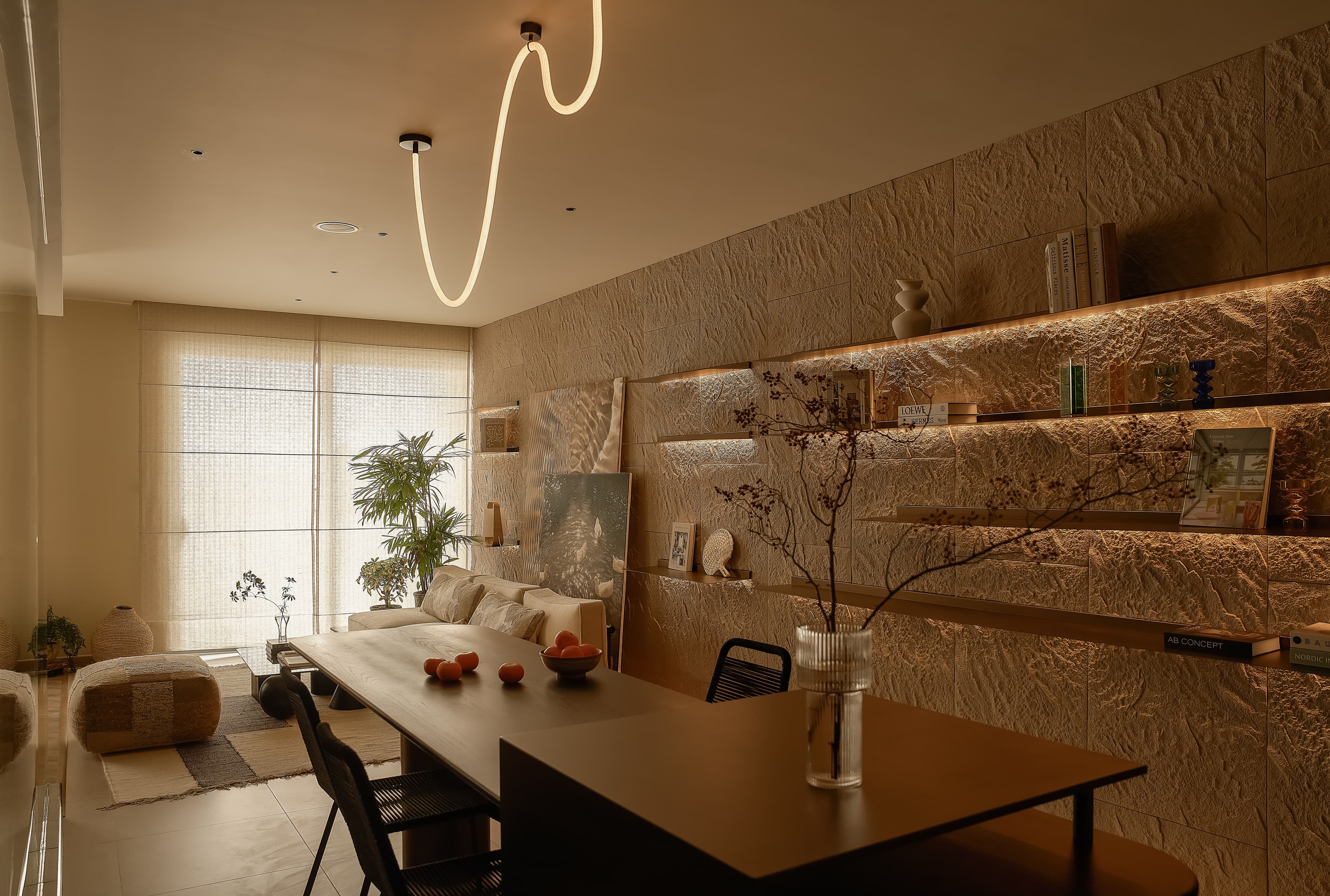
Most people start an apartment renovation by collecting pictures they love. It is a good place to begin, but it is an easy way to run out of money before the work is done, because a picture tells you nothing about what is behind it.
A clear plan makes the difference. It does not need to be complicated, and it does not mean settling for less. It means knowing what matters most to your family, then spending in that order.
Begin with how you live
Before thinking about style, spend a week noticing your daily routine. Where do bags and shoes pile up? Who cooks, and how often? Does anyone work from home? Where do the children play, and where will they study in a few years?
Write the answers down. This list will do more for your home than any mood board, because it shows you what each room has to do before you decide how it should look.
Put your budget in three groups
Once you have an overall number, sort everything you want into three groups:
- Hard to change later: electrical layout, plumbing, waterproofing, flooring and built-in storage. Get these right first, because redoing them means opening up finished work.
- Used every day: the kitchen, the mattress, the main sofa and good lighting. You will feel the quality of these every single day.
- Easy to add later: decorative lighting, artwork, cushions and rugs. These can wait a few months without affecting how the home works.
If the budget gets tight, take from the third group first. Moving in with bare walls is a small problem. Rewiring a finished room is a big one.
Keep some money in reserve
Older apartments in particular can hold surprises, such as uneven walls or old pipes that need replacing. Setting aside part of your budget as a reserve means a surprise becomes a decision rather than a crisis. If it goes unused, it becomes the artwork you have been waiting for.
Choose where to make a statement
A home feels designed when a few things are done with care, not when everything competes for attention. Pick one or two places that you will see every day, such as the living room wall or the dining corner, and put your special material or lighting there. Let the surrounding surfaces stay calm.
This is also what keeps a home from feeling dated. Quiet backgrounds are easy to live with for years, and the pieces you love can change over time.
Make the drawings before you buy
Buying furniture first is one of the most common and costly mistakes. A sofa that looked right in the showroom can block a walkway at home. Measured drawings show you what fits, where sockets and lights should go, and how much storage you actually have.
Drawings also make quotations easier to compare, because every contractor is pricing the same thing. Ask for a quotation that lists materials and quantities, and check what is not included as carefully as what is.
Agree on the order of work
Before anyone starts, ask for a simple schedule: what happens each week, when you need to make decisions, and when each payment is due. Late decisions are a common reason that timelines slip and costs creep up, so knowing your own deadlines helps as much as knowing the contractor's.
A simple place to start
Take your weekly notes, your overall budget and the floor plan of your apartment. With these three things, a designer can tell you quite quickly what is realistic and where your money will do the most.
At SoulRoom, we design and build homes with this same thinking: spaces that are beautiful and comfortable, and that fit the budget you have. You can browse our projects for ideas, or send us a message and tell us a little about your home.